National Symposium on ‘Christian Thought in India’ Highlights Faith, Culture and Social Transformation
20-08-2026Mangaluru,
August 20, 2026: The Chair in Christianity at Mangalore University,
in collaboration with St. Joseph’s Inter-diocesan Seminary, Jeppu, organized a
National Symposium on the theme “Christian Thought in India: Context,
Culture, and Social Transformation” on Thursday, August 20, 2026, at the
Centenary Memorial Hall of the seminary. The day-long academic gathering
brought together theologians, academicians, researchers and students to reflect
on the contribution of Christian thought to Indian society, culture and social
transformation.
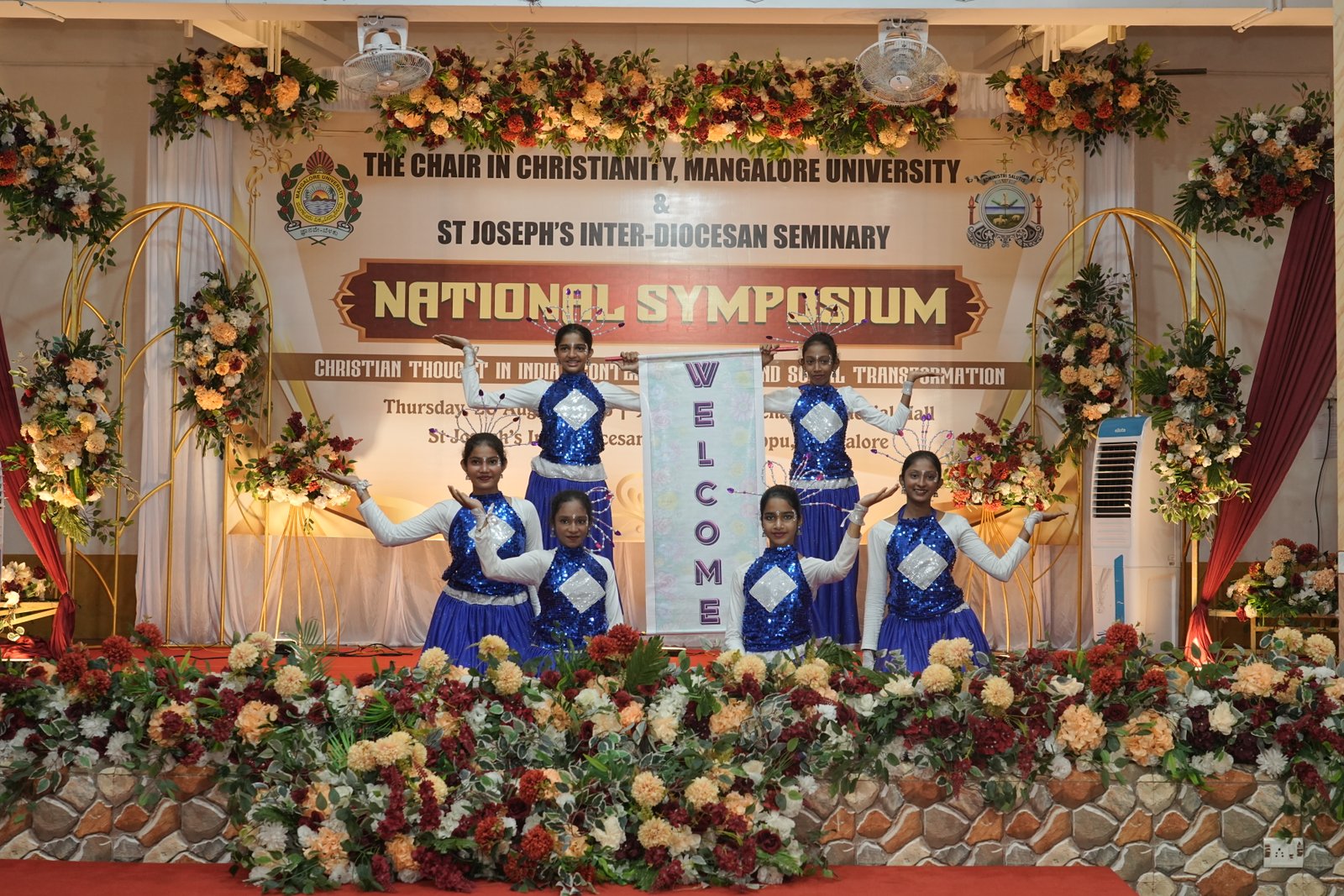
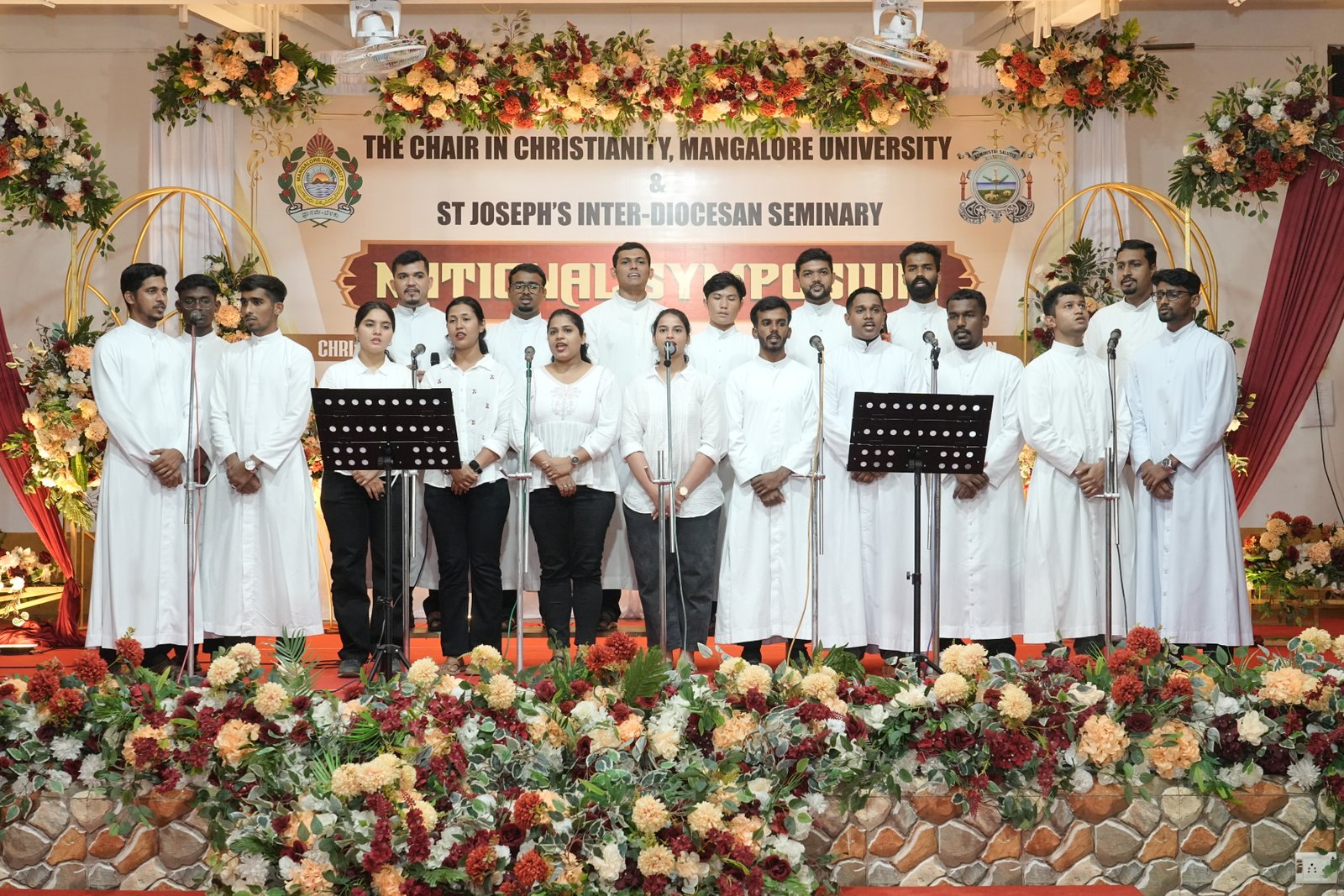
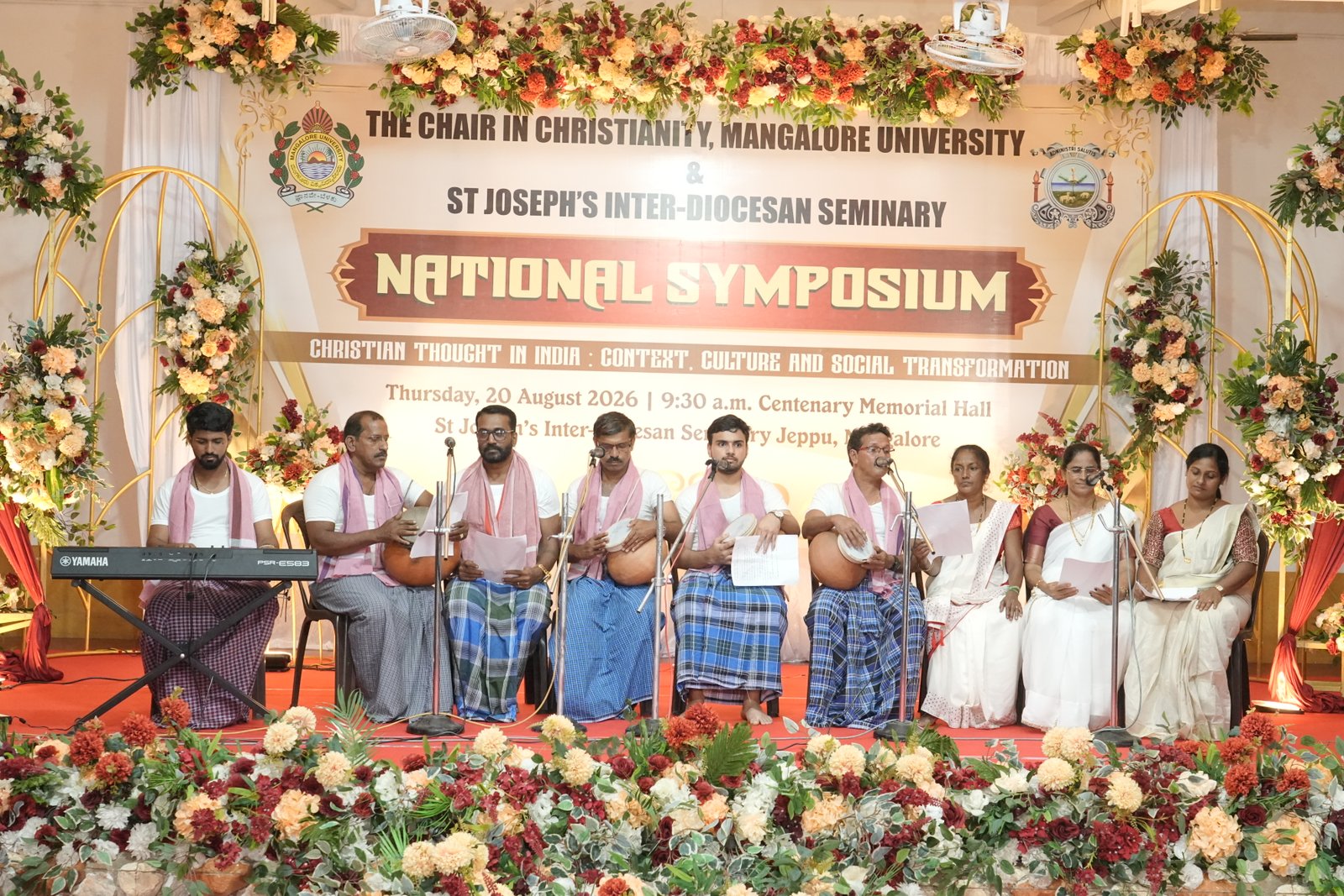
The symposium began at 9:30 a.m. with a prayer song
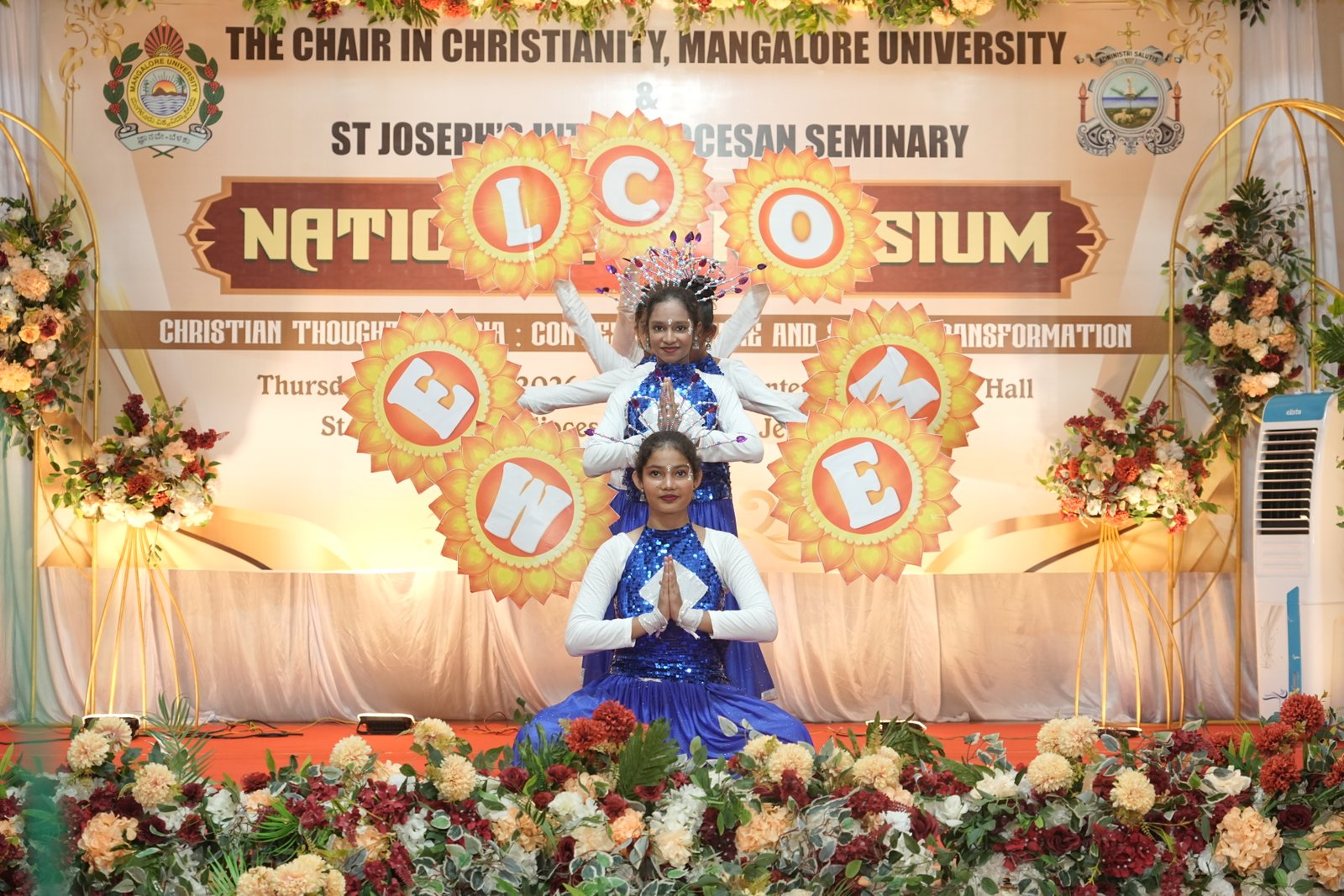
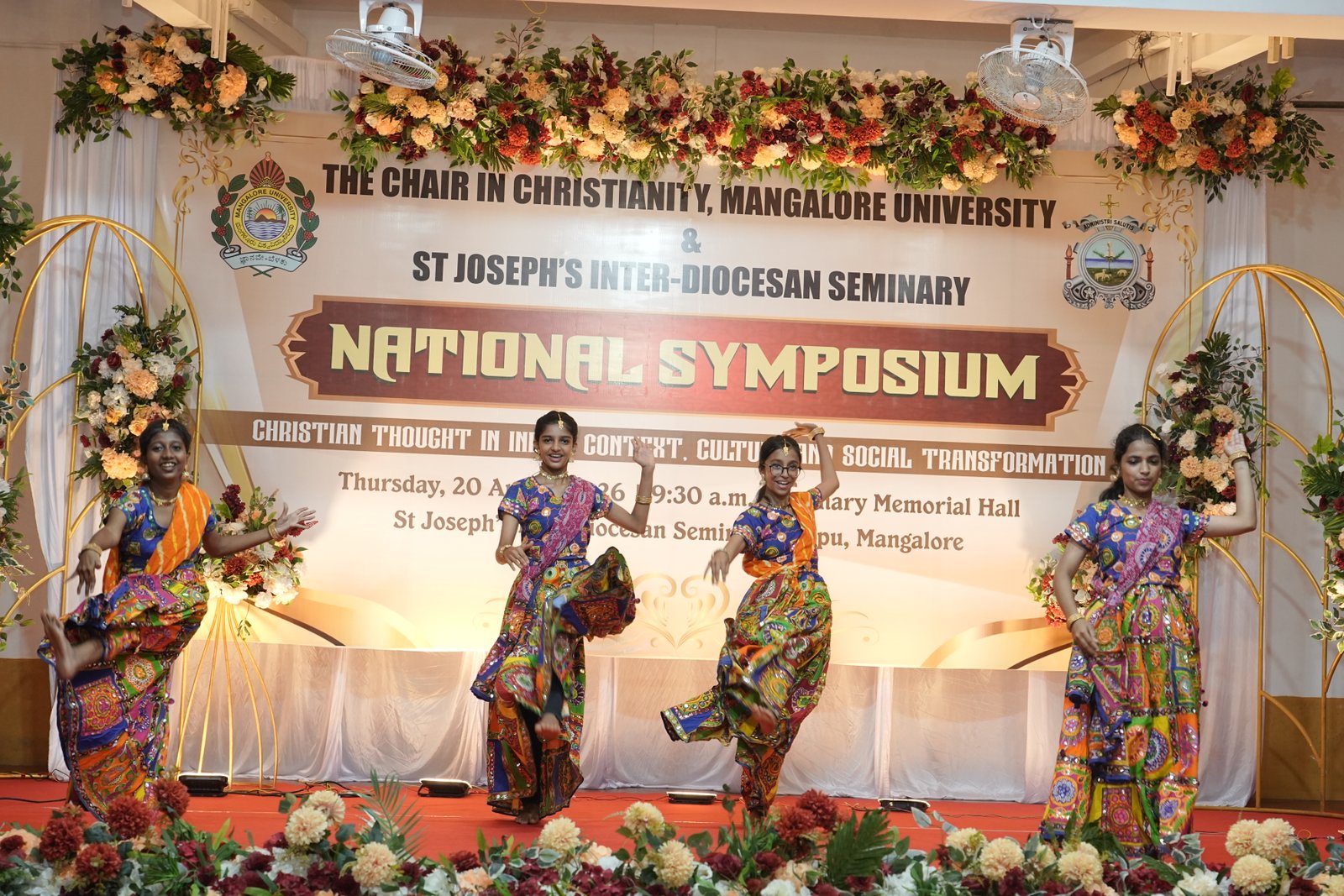
presented by the students of Lourdes Central School. This was followed by a
graceful welcome dance by the students of St. Agnes Central School, Bendur. The
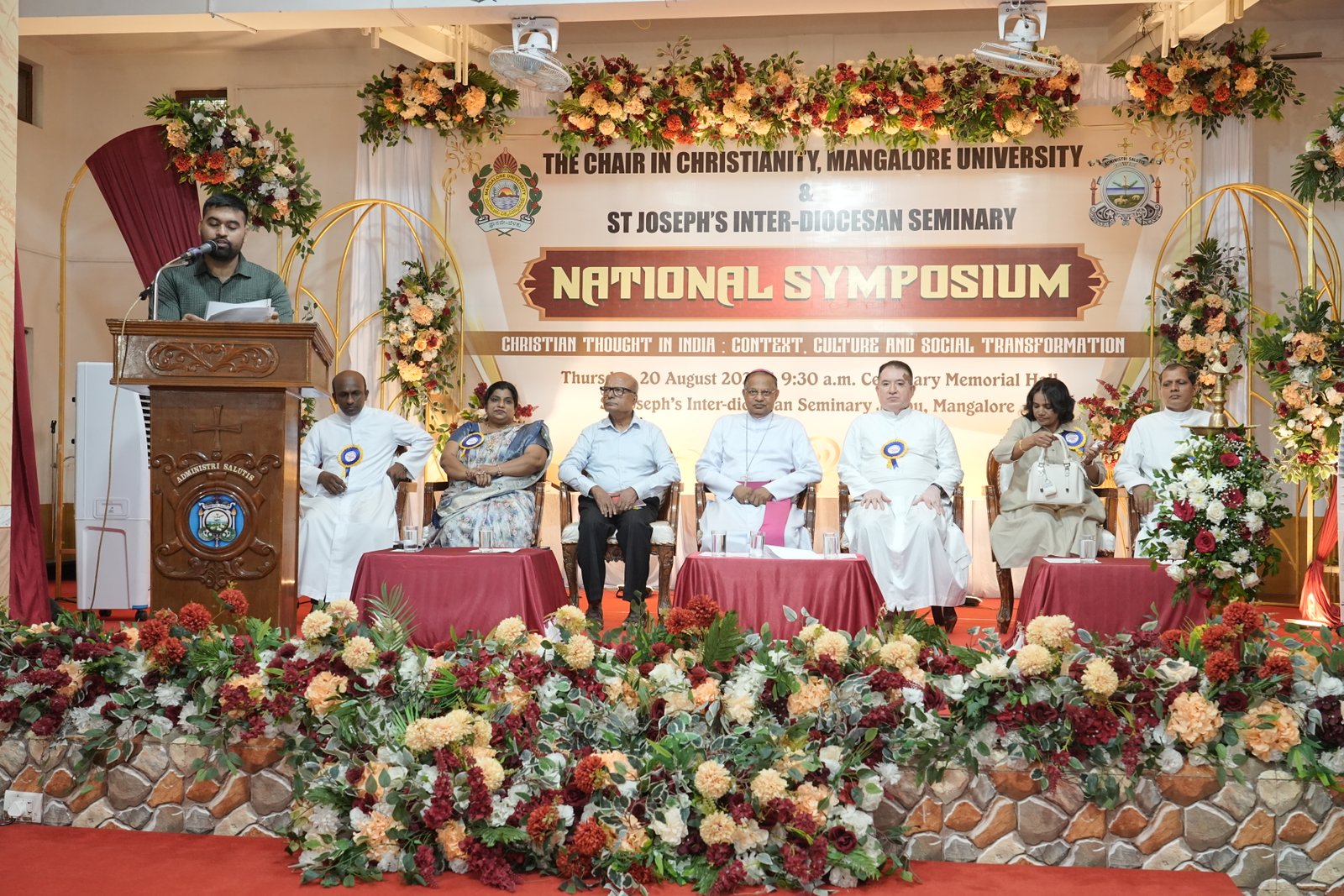
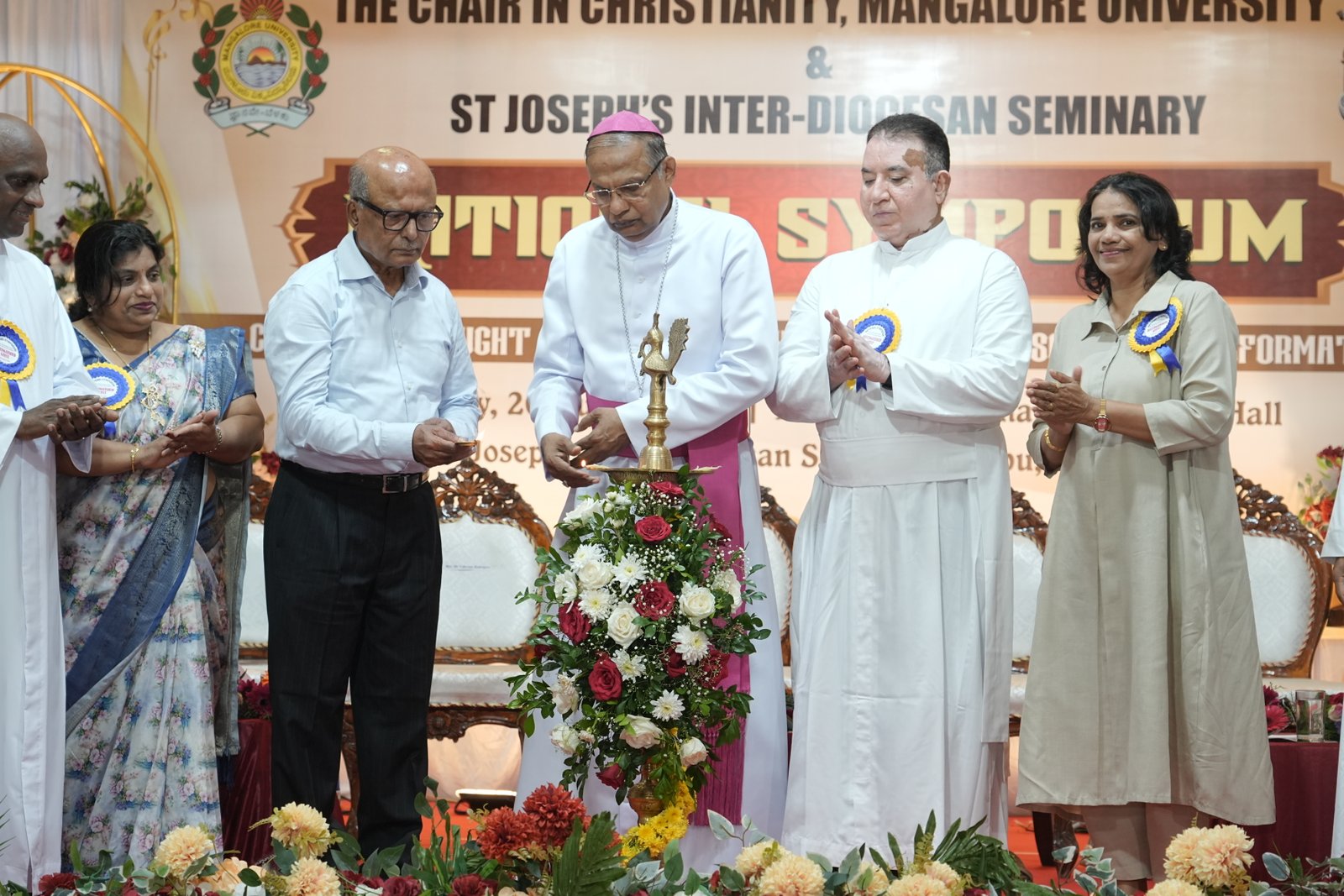
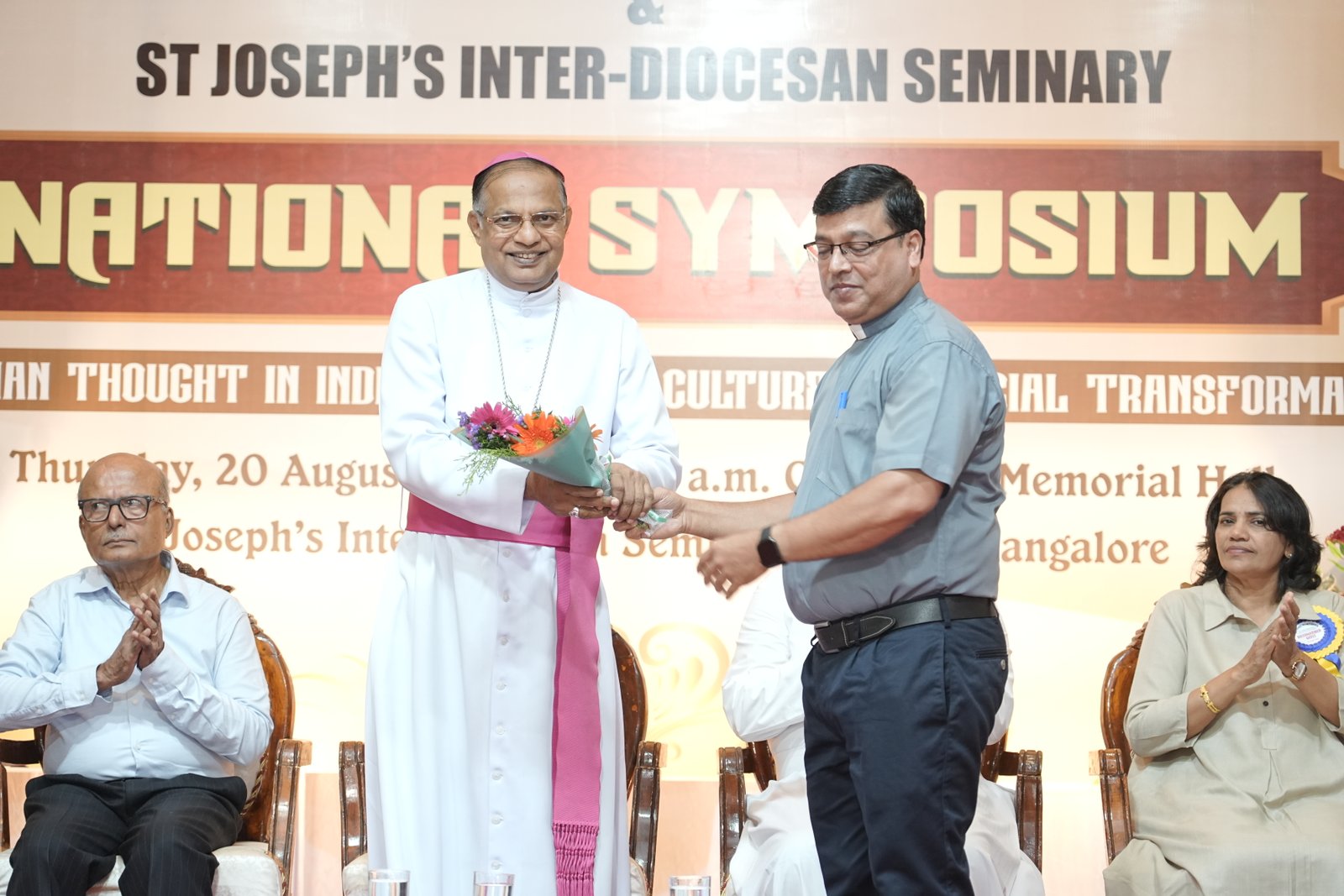
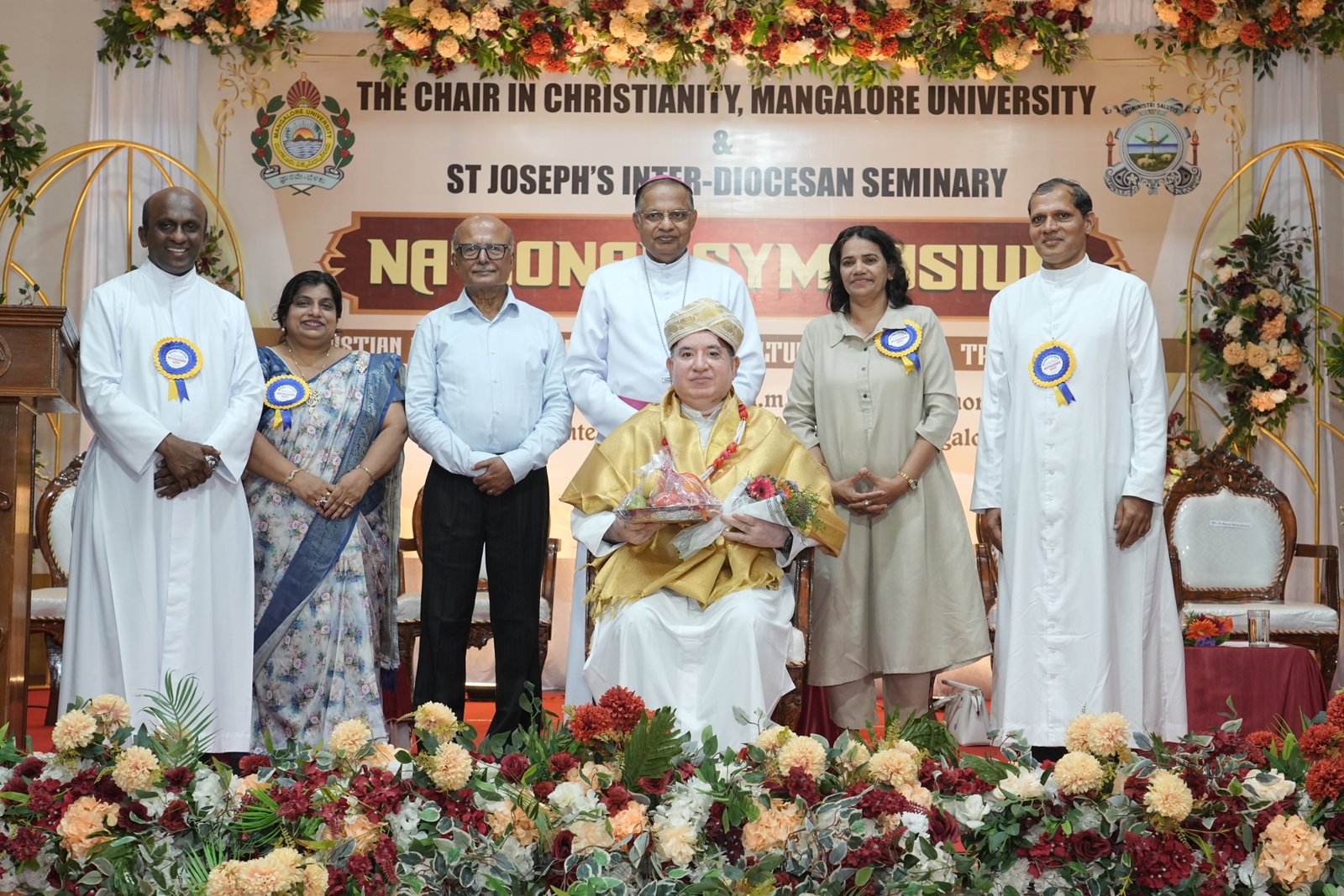
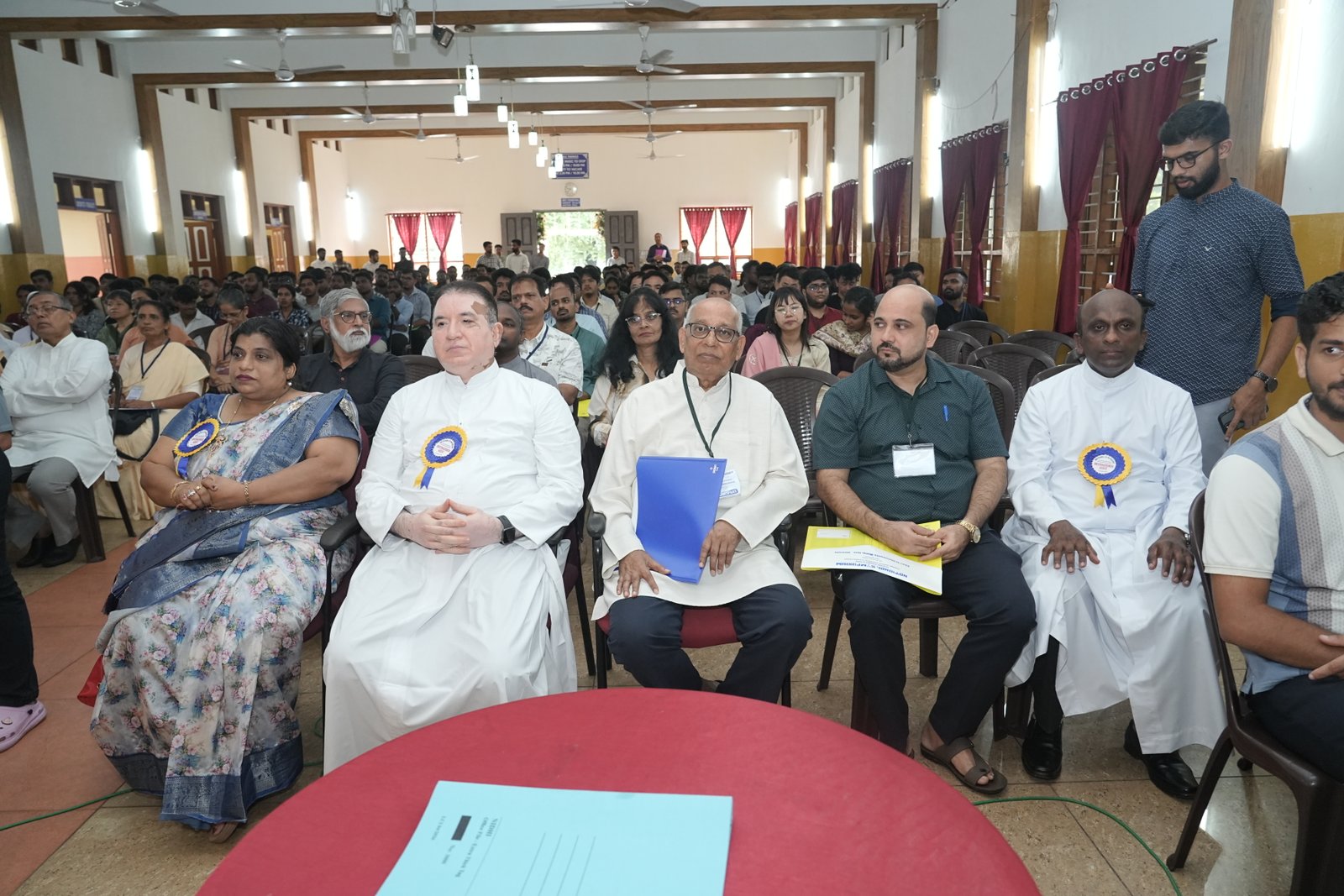
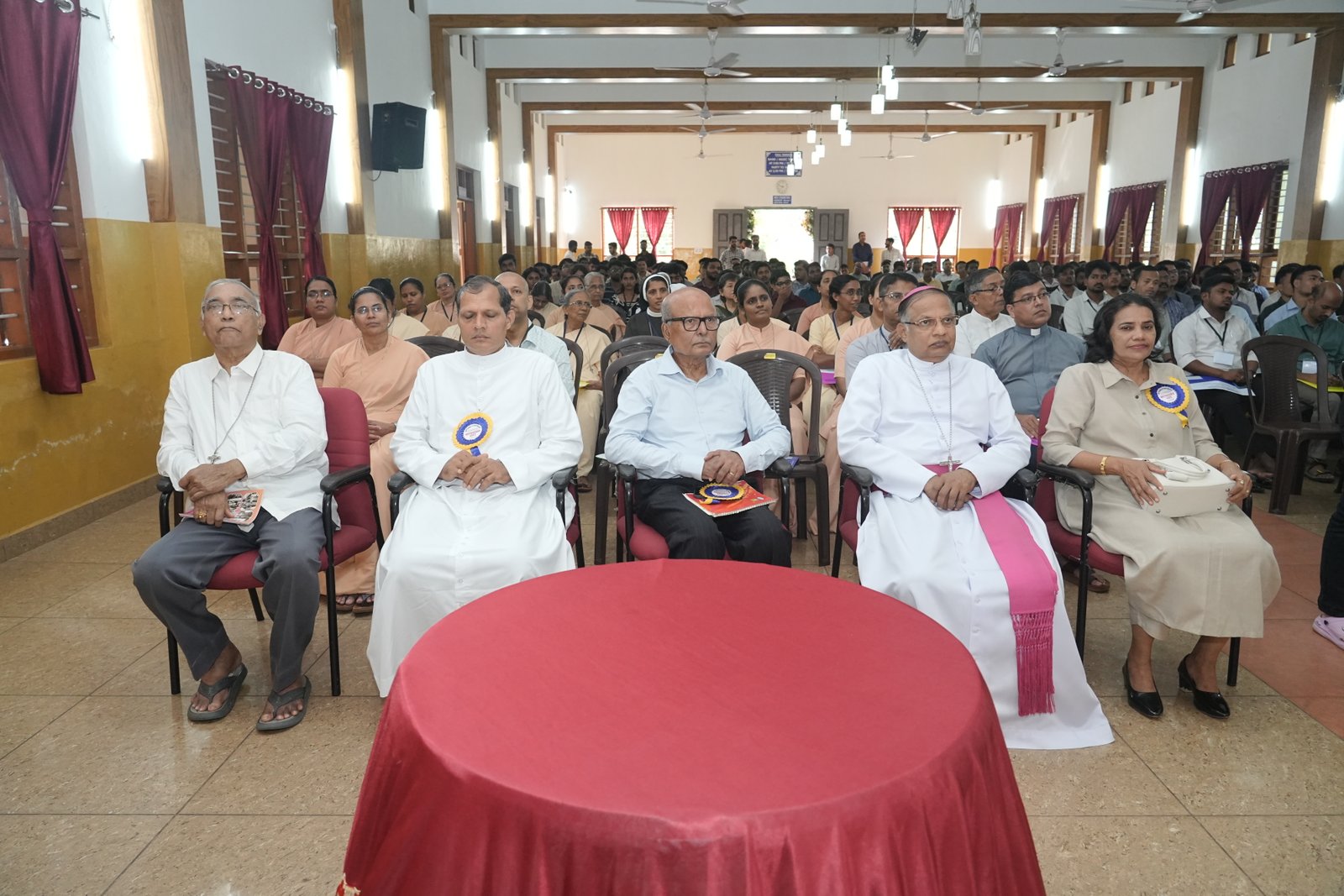
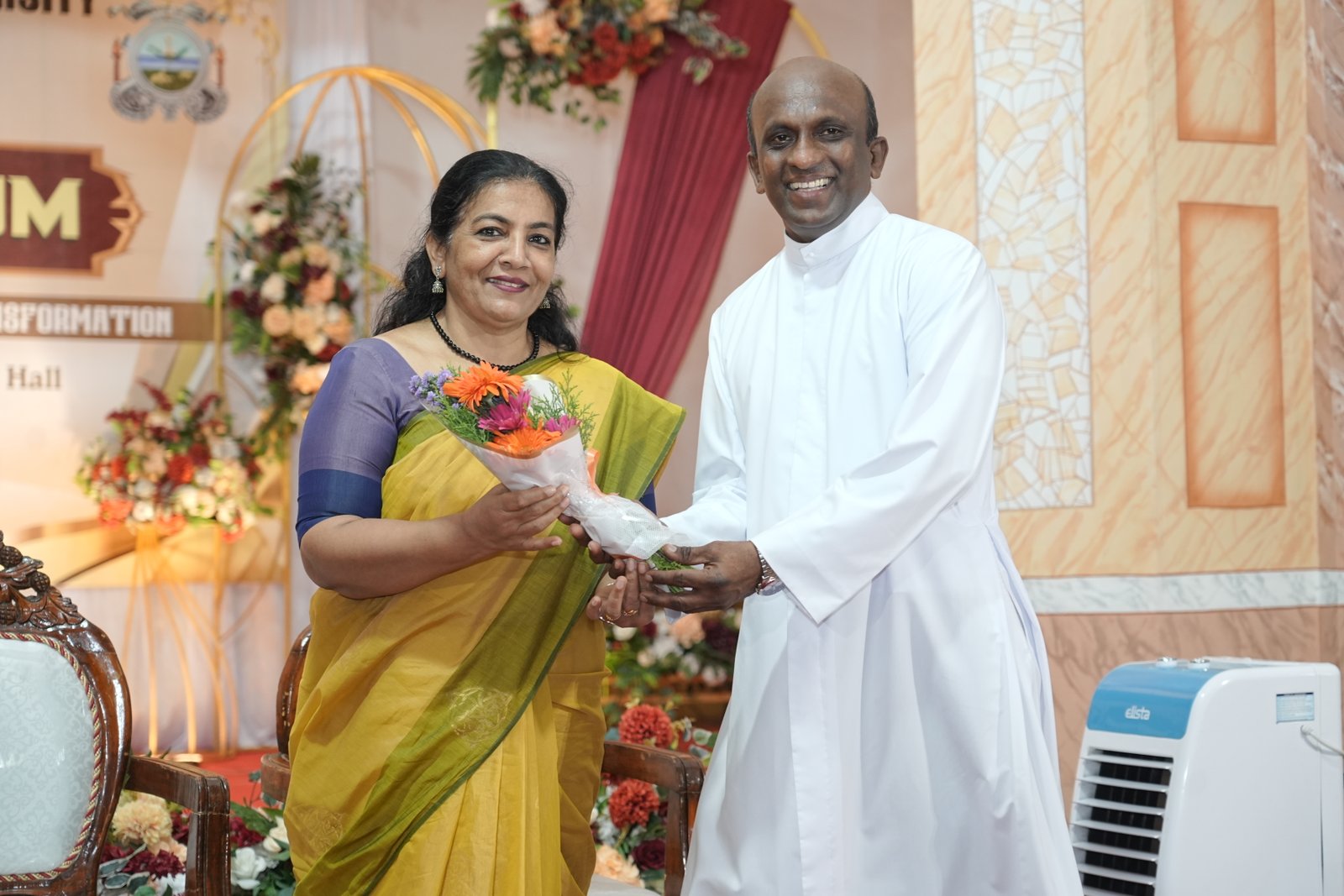
inaugural ceremony was presided over by Most Rev. Dr Peter Paul Saldanha,
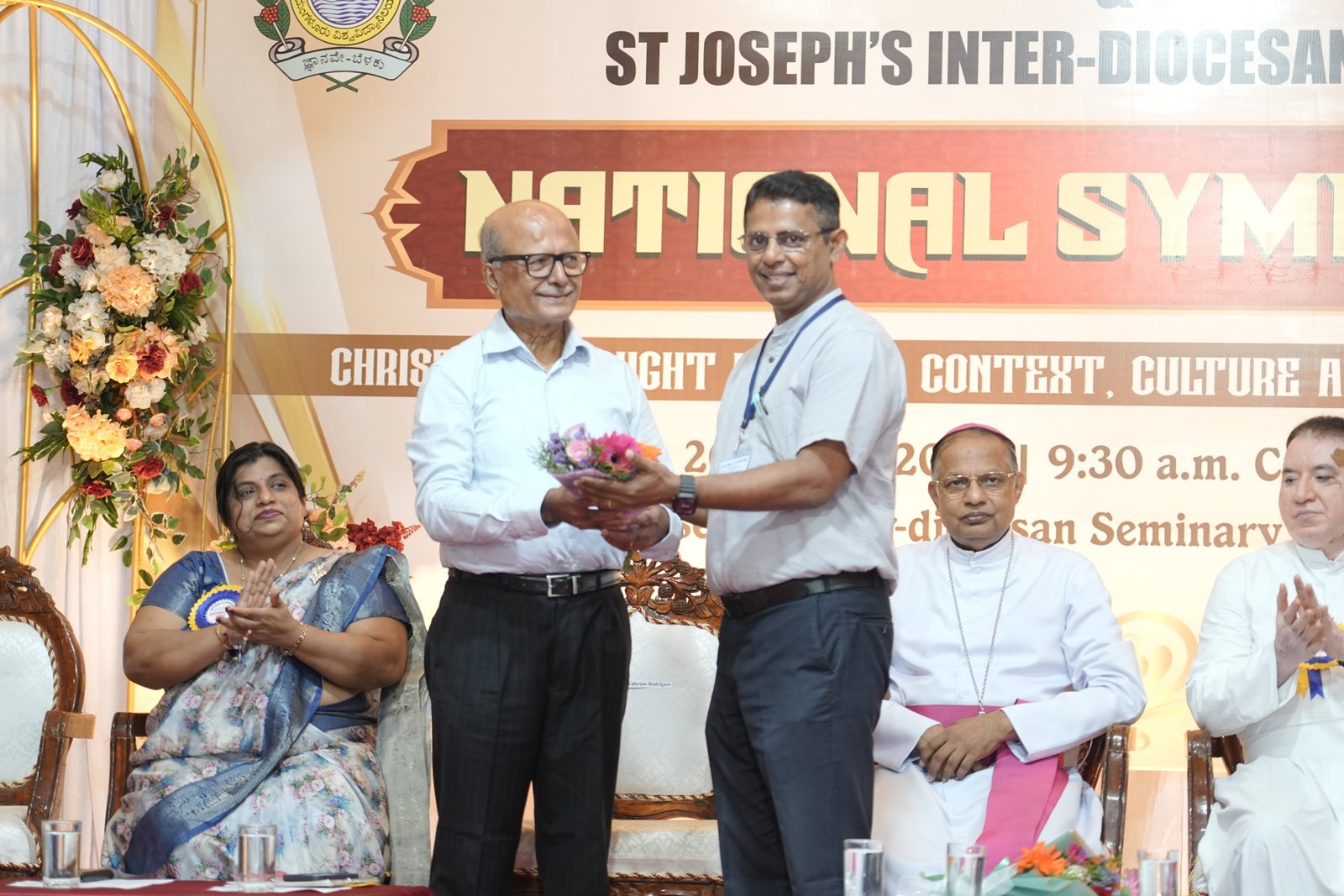
Bishop of Mangalore. Prof. Valerian Rodrigues, renowned social scientist
and former professor at Jawaharlal Nehru University; Dr Preethi Dsouza, Head of
the Konkani Adhyayana Peetha, Mangalore University; and Mrs Judith Mendonca,
Syndicate Member of Mangalore University, graced the occasion as chief guests.
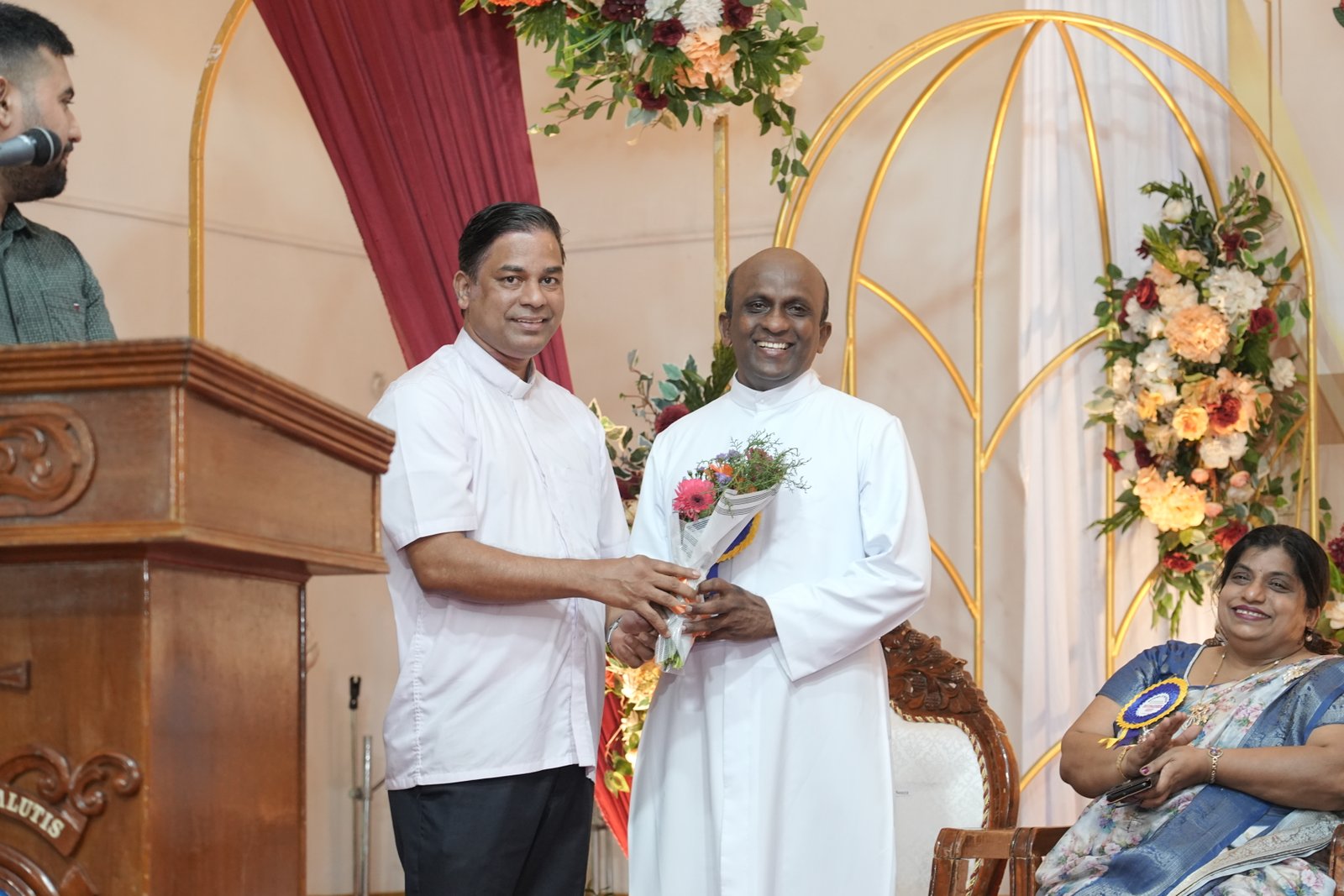
Rev. Dr Praveen Martis SJ, Vice-Chancellor of St Aloysius (Deemed to be
University); Rev. Dr Rajesh Melvin Rosario, Rector of St. Joseph’s
Inter-diocesan Seminary; and Rev. Dr Sunil George D’Souza, Head of the Chair in
Christianity at Mangalore University, were also present on the dais. Rev.
Dr Sunil George D’Souza welcomed the gathering. The inaugural programme was
compered by Br Justin, while the vote of thanks was proposed by Rev. Dr Rajesh
Melvin Rosario.
Prof.
Valerian Rodrigues, in his address, reflected on the influence of the Gospel
and the contribution of Indian thinkers such as Chennappa, Mahatma Gandhi and
Dr B. R. Ambedkar to social reform, democracy and the struggle against caste
discrimination. He noted that values found in the Christian message, such as
equality, fraternity, justice and liberty, have a meaningful connection with
the ideals expressed in the Indian Constitution. He stressed the importance of
critically engaging with Christian thought in the Indian context so that it may
respond effectively to the challenges of contemporary society.
Dr
Preethi Dsouza focused on the Preamble of the Indian Constitution and its
ideals of liberty, equality, fraternity and justice. Drawing inspiration from
Abraham Lincoln’s understanding of democracy, she explained how the life of a
faith community can also reflect democratic values through participation,
responsibility and collective action. She appreciated the efforts of the Chair
in Christianity in creating a space for meaningful academic discussion and
dialogue.
In his
presidential and inaugural address, Most Rev. Dr Peter Paul Saldanha emphasized
the need for Christianity to address continuing social challenges, particularly
caste and gender discrimination. Referring to Pope Francis’ vision of universal
fraternity, he called upon people to move beyond indifference towards
compassion, inclusion and genuine encounter. He stressed the importance of
promoting Bandhutva, or universal brotherhood, in society. He also
offered the invocation and Episcopal Blessing.
The
keynote address was delivered by Rev. Dr Praveen Martis SJ, Vice-Chancellor of
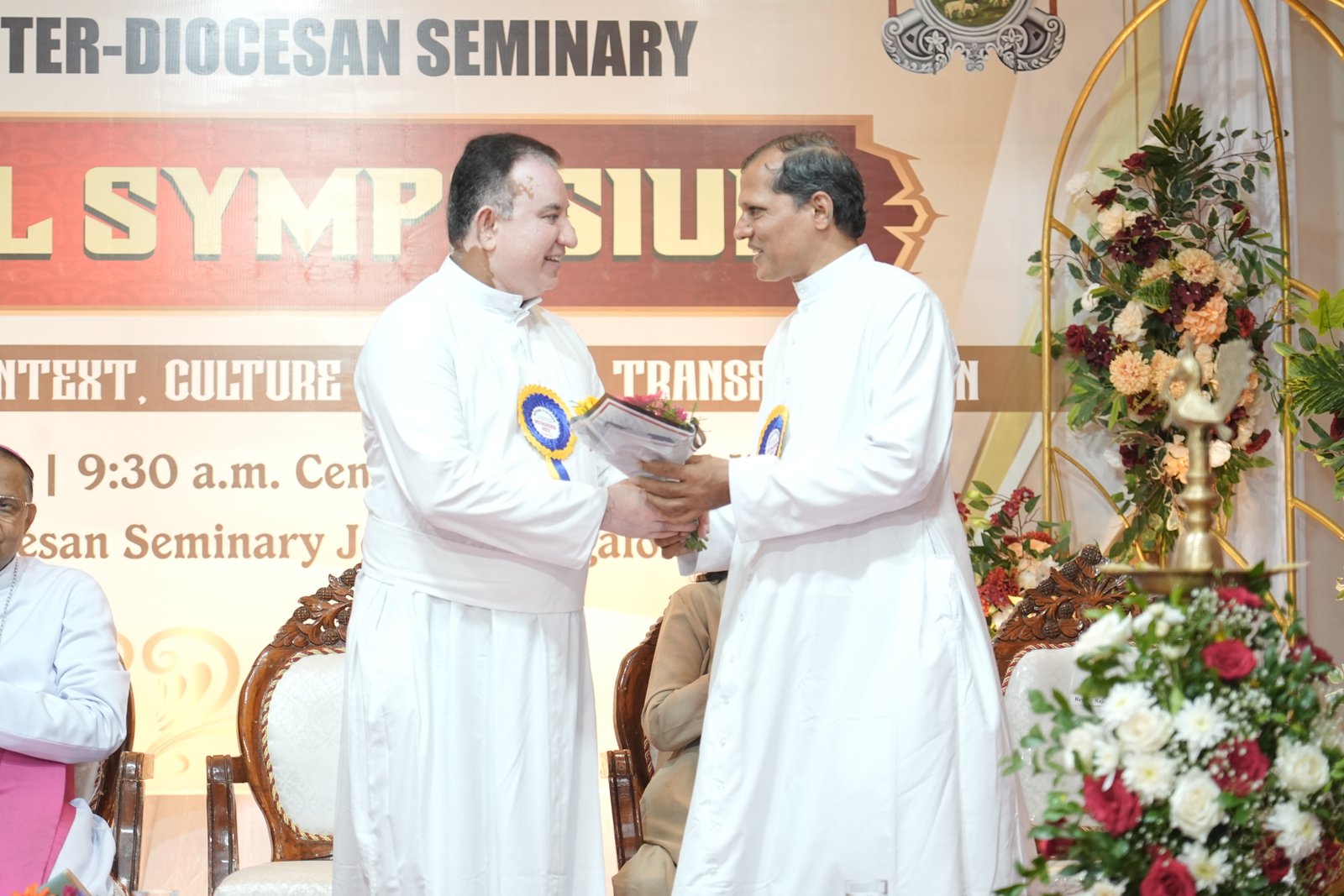
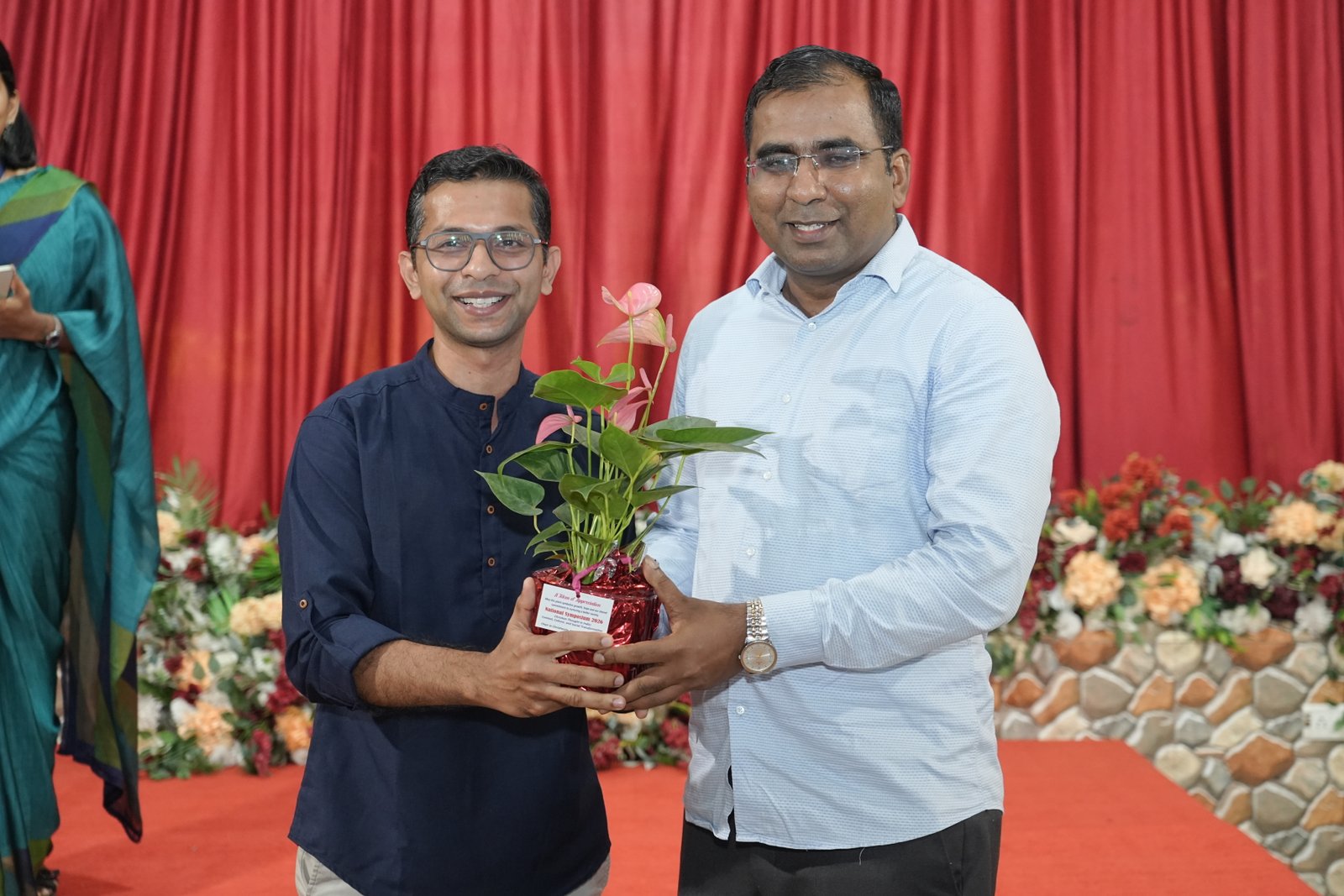
St Aloysius (Deemed to be University), Mangaluru. During the programme, Rev. Dr
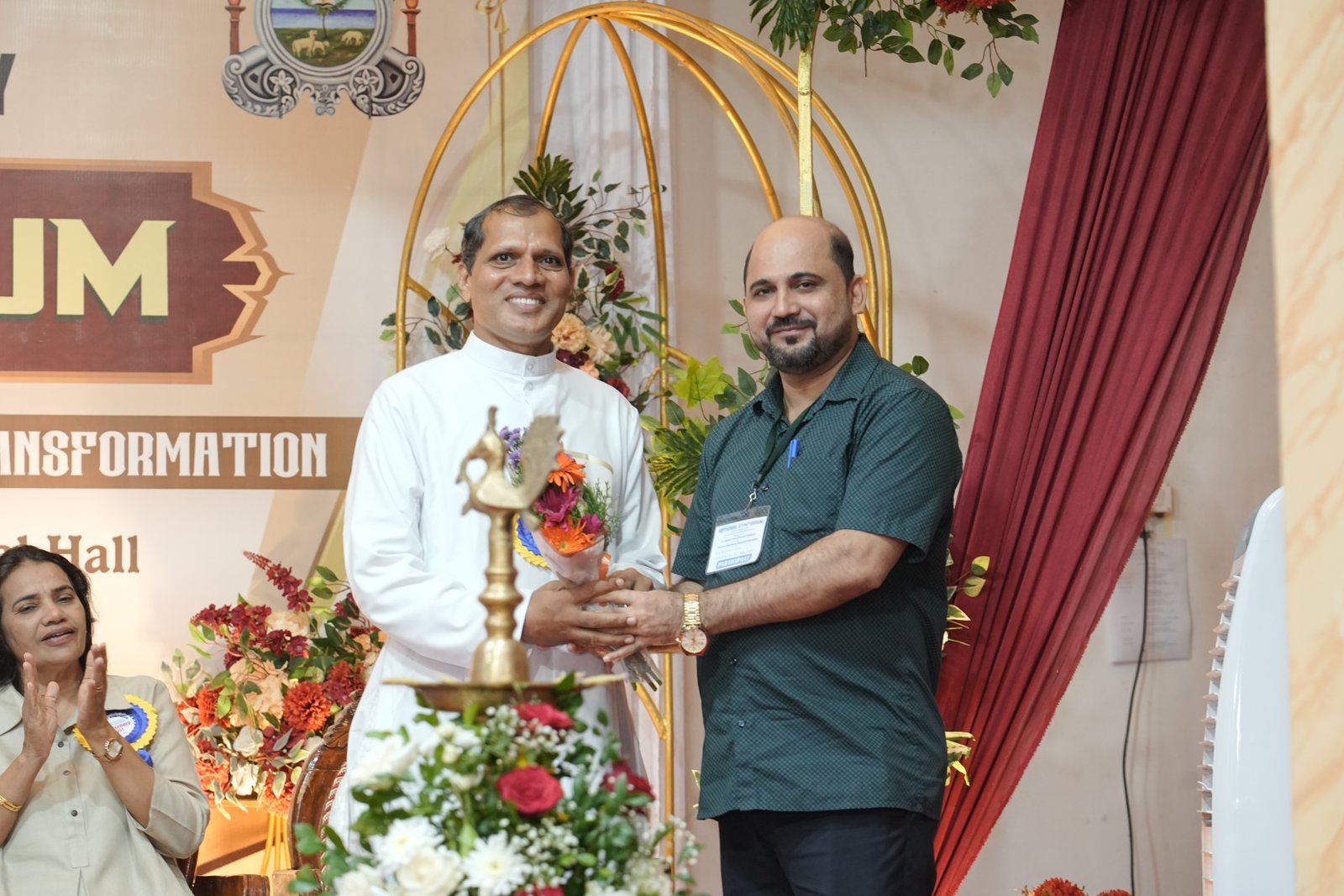
Praveen Martis SJ was felicitated for his recent distinction of being conferred
the honorary rank of Colonel and appointed Colonel Commandant of the National
Cadet Corps by the Government of India in July 2026. Sr Janet AC of St. Agnes
PU College read the words of felicitation and citation. The gathering warmly
congratulated Rev. Dr Praveen Martis SJ on this prestigious achievement.
The
symposium continued with four technical sessions featuring ten research paper
presentations. Faculty members and scholars from institutions including
Mangalore University, St Aloysius University, Roshni Nilaya, Karnataka
Theological College and St. Joseph’s Institute of Theology participated as
presenters and moderators.The papers explored a wide range of themes related to
Christian thought and its relevance to contemporary India. The discussions
included Christian leadership in social reform, the influence of digital
culture, indigenous Christian praxis, contextual approaches to biblical
interpretation, and the contribution of Christian institutions to education and
healthcare. The academic sessions provided an opportunity for participants to
examine Christianity not merely as a religious tradition but also as a
significant contributor to India’s social, educational, cultural and
intellectual life.
The
symposium concluded with a vibrant cultural presentation. The seminarians of
St. Joseph’s Inter-diocesan Seminary presented “Suranjalia,” a musical
extravaganza directed by Rev. Fr Flavian Rajkiran Lobo. This was followed by an
energetic presentation of traditional Gumta folk music by Gumta Dhaiz,
Arva, directed by Mr Walter Crasta. The symposium served as a meaningful
platform for academic dialogue on the relationship between Christianity and
Indian society. By bringing together faith, culture, scholarship and social
concerns, the event highlighted the continuing relevance of Christian thought
in contributing to a more just, inclusive and humane society.